Most of us assume we’ll have time to prepare when something goes wrong. The reality is that severe weather, flooding, extended power cuts, transport disruption and other emergencies can happen with little warning.
Recent UK government preparedness campaigns have encouraged households to think about how they would cope if they needed to leave home quickly or remain at home without access to normal services for several days.
That doesn’t mean expecting the worst. It simply means being prepared.
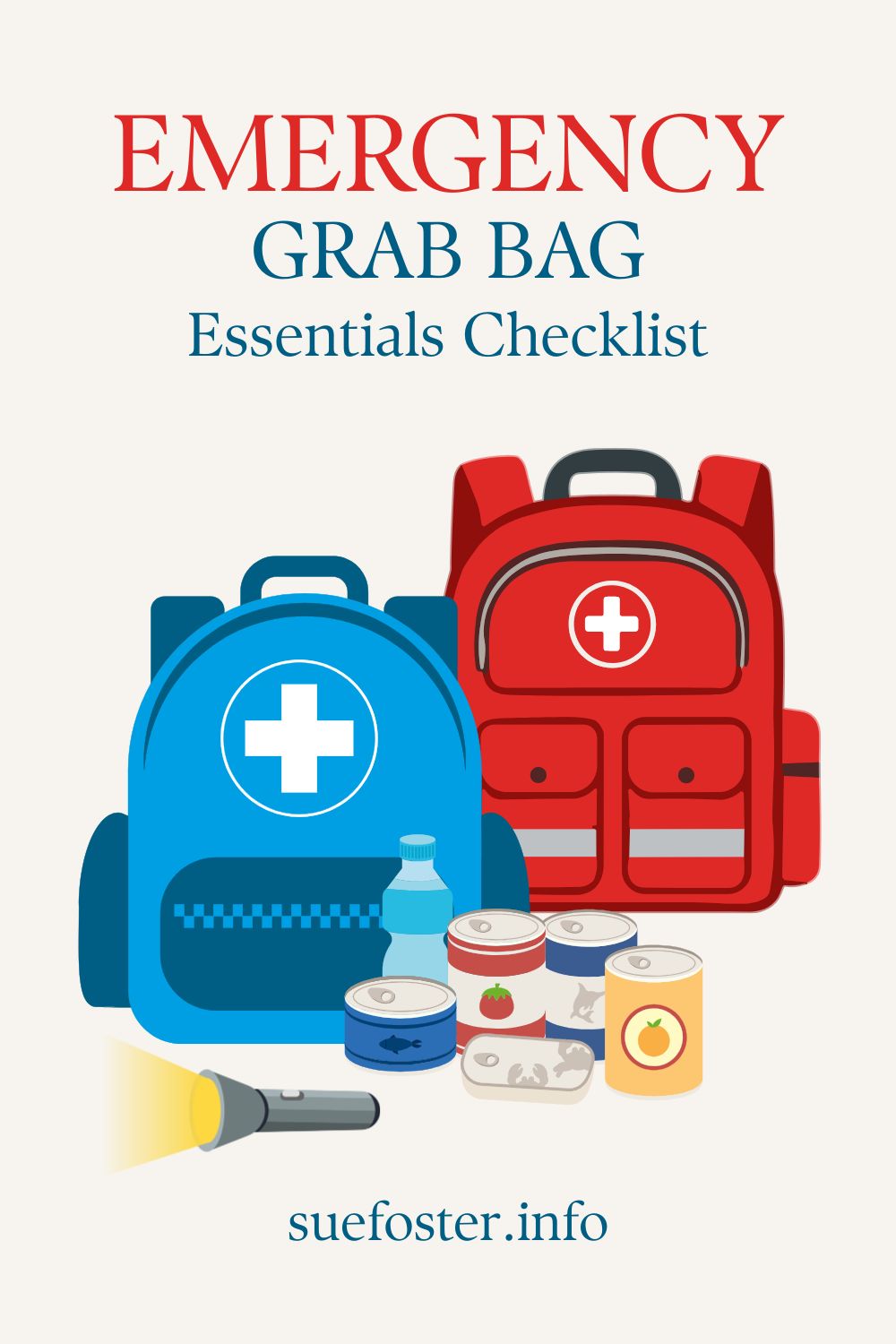
One of the easiest ways to do this is by keeping an emergency grab bag ready to go.
What Is an Emergency Grab Bag?
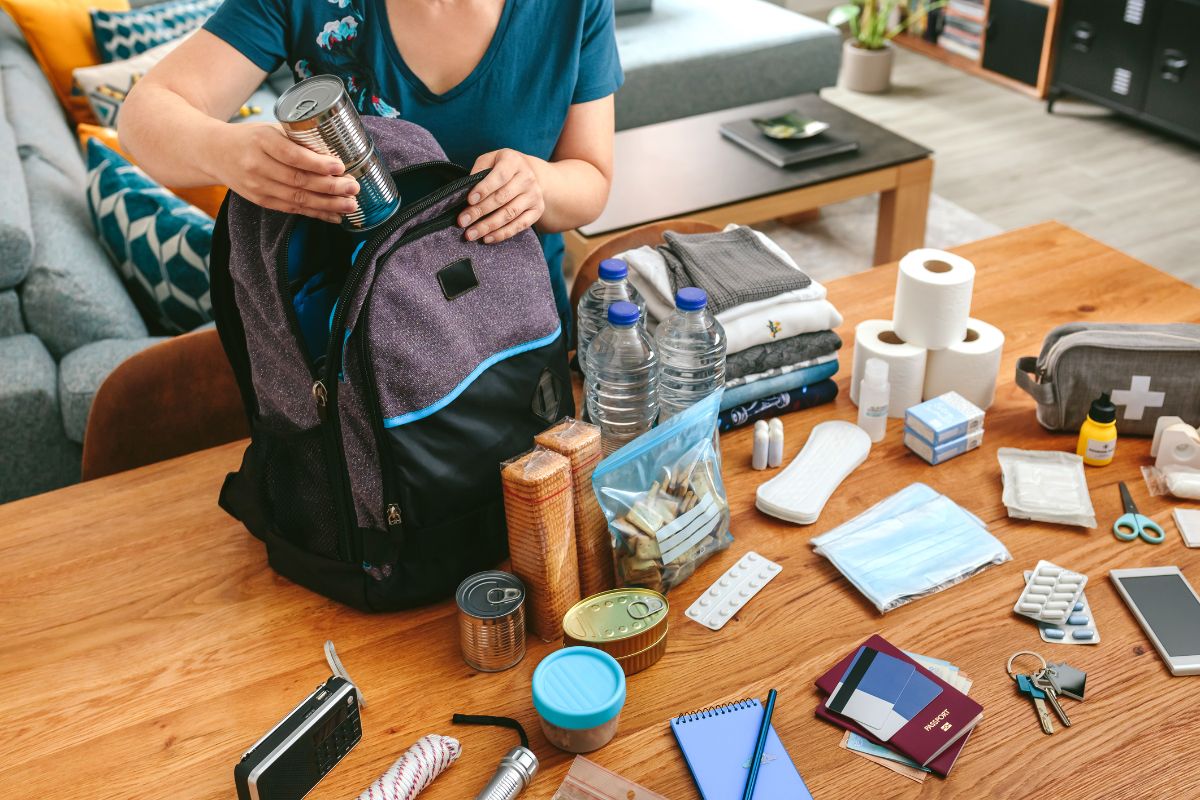
An emergency grab bag is a bag containing essential supplies that can be picked up quickly if you need to leave your home in a hurry.
It can also provide access to important items if you’re advised to remain indoors or if everyday services become temporarily disrupted.
The aim is not survival in the wilderness. It’s about making an unexpected situation more manageable and less stressful.
When Should You Prepare One?
The simple answer is now.
Preparation is most effective before an emergency occurs. Waiting until severe weather warnings are issued or disruption has already begun may leave you scrambling to find essential items.
The good news is that an emergency grab bag doesn’t need to be expensive. A spare backpack or holdall is often all you need to get started.
How Much Food and Water Should You Keep?
Emergency planners often recommend having enough food and water to last at least three days.
Choose foods that:
- Have a long shelf life
- Require little or no preparation
- Can be eaten cold if necessary
- Are familiar and suitable for your household
Emergency Food Ideas
- Tinned soup
- Baked beans
- Tinned vegetables
- Tinned fruit
- Tuna and other tinned fish
- Rice pouches
- Instant noodles
- Crackers
- Cereal bars
- Dried fruit
- Nuts
- Peanut butter
- Long-life milk
Remember to include foods suitable for babies, children, elderly relatives or anyone with dietary requirements.
Emergency Grab Bag Checklist
Water
- Bottled water
- Reusable water bottle
Food Supplies
- Three days’ worth of non-perishable food
- Manual tin opener
- Basic eating utensils
Health and First Aid
- First-aid kit
- Prescription medications
- Pain relief medication
- Spare glasses if required
Communication and Lighting
- Torch
- Spare batteries
- Battery-powered or wind-up radio
- Phone charger
- Portable power bank
Documents and Money
Keep copies of important documents in a waterproof folder:
- Identification
- Insurance documents
- Emergency contacts
- Medical information
It’s also worth keeping a small amount of cash available in case card payments are disrupted.
Clothing and Comfort
- Warm clothing
- Waterproof jacket
- Comfortable walking shoes
- Blanket
- Spare socks
Hygiene Essentials
- Toothbrush and toothpaste
- Wet wipes
- Hand sanitiser
- Toilet paper
- Towels
- Basic toiletries
Pets
Don’t forget:
- Pet food
- Medication
- Lead or carrier
- Water bowl
Building an Emergency Food Store on a Budget
You don’t need to spend a fortune.
One of the easiest approaches is to add one or two extra items to your weekly shop.
For example:
Week 1:
- Tinned soup
- Bottled water
Week 2:
- Rice
- Long-life milk
Week 3:
- Tinned vegetables
- Cereal bars
Within a couple of months, you’ll have built a useful supply without putting pressure on your budget.
Get the Whole Family Involved
Preparing for emergencies doesn’t have to be frightening.
Involving children can be a positive learning experience. Ask family members what they would want in their own grab bag and discuss why certain items are important.
Focus on being prepared rather than worrying about what might happen.
Don’t Forget to Check It
An emergency bag is not something to pack once and forget.
At least once a year:
- Check expiry dates
- Replace water
- Review medications
- Update contact details
- Adjust clothing sizes for growing children
A five-minute annual check could save a lot of hassle later.
Ready-Made Emergency Grab Bags
If you don’t want to source every item separately, ready-made emergency grab bags are widely available and can provide a convenient starting point.
Many pre-packed kits include essentials such as:
- First-aid supplies
- Emergency food rations
- Water pouches
- Torches
- Battery-powered radios
- Emergency blankets
- Hygiene items
- Multi-tools
A ready-made kit can save time and ensure you have many of the basic essentials covered. However, it’s important to remember that every household is different.
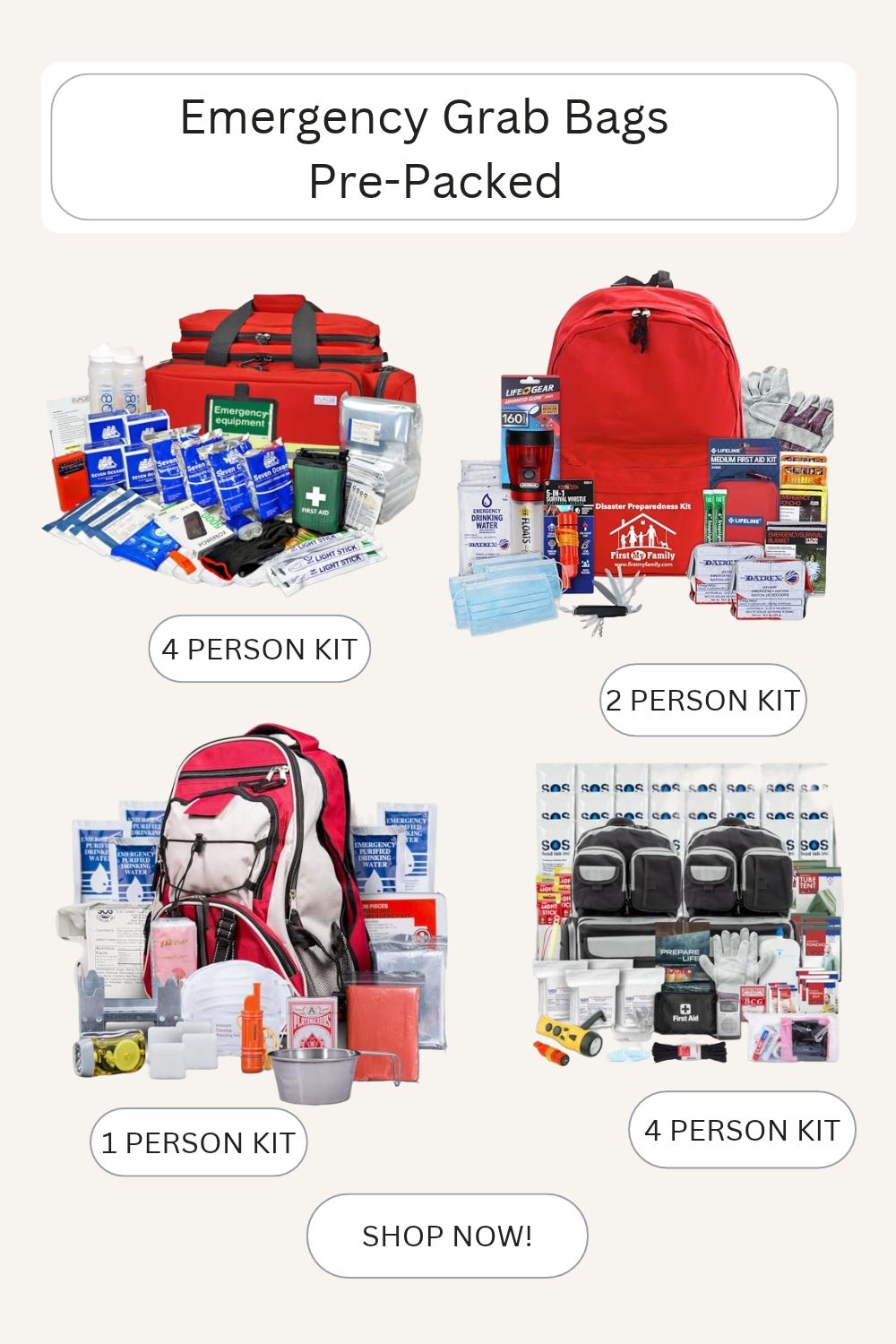
Even if you buy a pre-packed grab bag, consider personalising it by adding:
- Prescription medications
- Spare glasses
- Important documents
- Phone chargers and power banks
- Baby supplies
- Pet food and medications
- Individual comfort items
Think of a ready-made emergency kit as a starting point rather than a complete solution.
Hopefully, you’ll never need to use your emergency grab bag.
But if severe weather, flooding, a long power cut or another unexpected event affects your area, you’ll be glad you took a little time to prepare.
Being ready isn’t about expecting disaster. It’s about giving yourself and your family peace of mind, knowing that if the unexpected happens, you’ll have the essentials close to hand.