Many women know that menopause eventually brings an end to periods, but the changes often begin years before menopause itself. This stage, known as perimenopause, can bring a wide range of symptoms that vary from person to person.
Some women notice only a few mild changes, while others experience symptoms that have a significant impact on everyday life. Understanding what to look out for can make the transition feel a little less overwhelming.
What is perimenopause?
Perimenopause is the time leading up to menopause when hormone levels, particularly oestrogen, begin to fluctuate. It can start in your 40s, although some women notice changes in their late 30s and others not until their 50s.
As we age, our ovaries naturally produce less oestrogen and progesterone and gradually stop releasing eggs. These hormones affect many parts of the body, including body temperature, sleep, mood and bone health, which is why menopause can cause such a wide range of symptoms. Although scientists don’t know exactly why humans evolved to experience menopause, it’s considered a normal part of ageing rather than an illness.
Menopause itself is officially reached when you’ve gone 12 consecutive months without a period, provided there isn’t another medical reason for them stopping.
Perimenopause is the time leading up to menopause when hormone levels, particularly oestrogen, begin to fluctuate. It can start in your 40s, although some women notice changes in their late 30s and others not until their 50s.
Menopause itself is officially reached when you’ve gone 12 consecutive months without a period, provided there isn’t another medical reason for them stopping.
1. Changes to your periods
For many women, the first sign is a change in their menstrual cycle.
You might notice:
- Longer or shorter cycles
- Heavier or lighter bleeding
- Missed periods
- Spotting between periods
These changes can happen gradually or seem to appear quite suddenly.
2. Hot flushes and night sweats
Hot flushes are one of the best-known menopause symptoms.
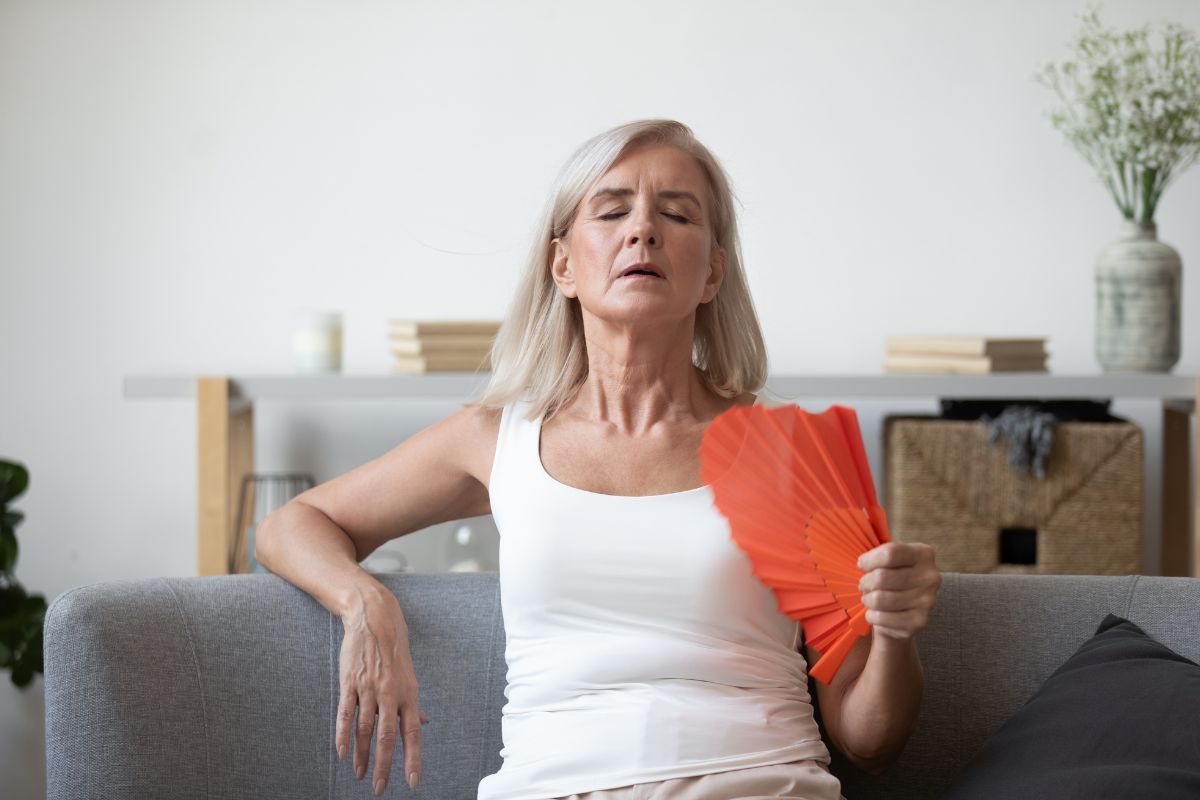
You may suddenly feel intensely hot, particularly across your face, neck and chest. Some women also experience redness, sweating or a racing heartbeat.
Night sweats can interrupt sleep, leaving you tired the following day.
Simple changes such as lightweight cotton bedding, breathable nightwear and a bedside fan can help make warm nights more comfortable.
3. Difficulty sleeping
Hormonal changes can affect sleep even if you aren’t having night sweats.
You may find it harder to fall asleep, wake frequently during the night or wake much earlier than usual.
Creating a cool, dark bedroom and sticking to a regular bedtime routine may help improve sleep quality.
4. Brain fog
Many women describe feeling more forgetful during perimenopause.
This “brain fog” may include:
- Forgetting names or appointments
- Losing your train of thought
- Difficulty concentrating
- Feeling mentally slower than usual
Although frustrating, this symptom is very common.
5. Mood changes
Fluctuating hormones can also affect emotional wellbeing.
Some women notice:
- Irritability
- Anxiety
- Low mood
- Feeling overwhelmed more easily
These feelings can come and go and often improve as hormone levels settle.
6. Joint aches and muscle stiffness
Many people are surprised to learn that aching joints can be linked to menopause.
Common areas include:
- Knees
- Hips
- Shoulders
- Hands
Gentle exercise such as walking, stretching or swimming may help keep joints moving comfortably.
7. Vaginal dryness and bladder changes
Lower oestrogen levels can affect the tissues around the vagina and bladder.
Some women experience:
- Vaginal dryness
- Discomfort during sex
- More frequent urinary tract infections
- Needing to urinate more often
These symptoms are very common and effective treatments are available, so it’s worth speaking to your GP if they’re affecting your quality of life.
When should you speak to your GP?
While menopause is a natural stage of life, you don’t have to simply put up with symptoms that are affecting your wellbeing.
Your GP can discuss options including lifestyle changes, non-hormonal treatments and hormone replacement therapy (HRT), depending on your circumstances.
You should also seek medical advice if you experience unusually heavy bleeding, bleeding after sex, bleeding more than 12 months after your periods have stopped, or if you’re concerned about any new symptoms.
Looking after yourself during menopause
Small lifestyle changes can often make a noticeable difference.
You might find it helpful to:
- Keep your bedroom cool.
- Stay well hydrated.
- Eat a balanced diet rich in calcium and vitamin D.
- Stay active with regular walking or other gentle exercise.
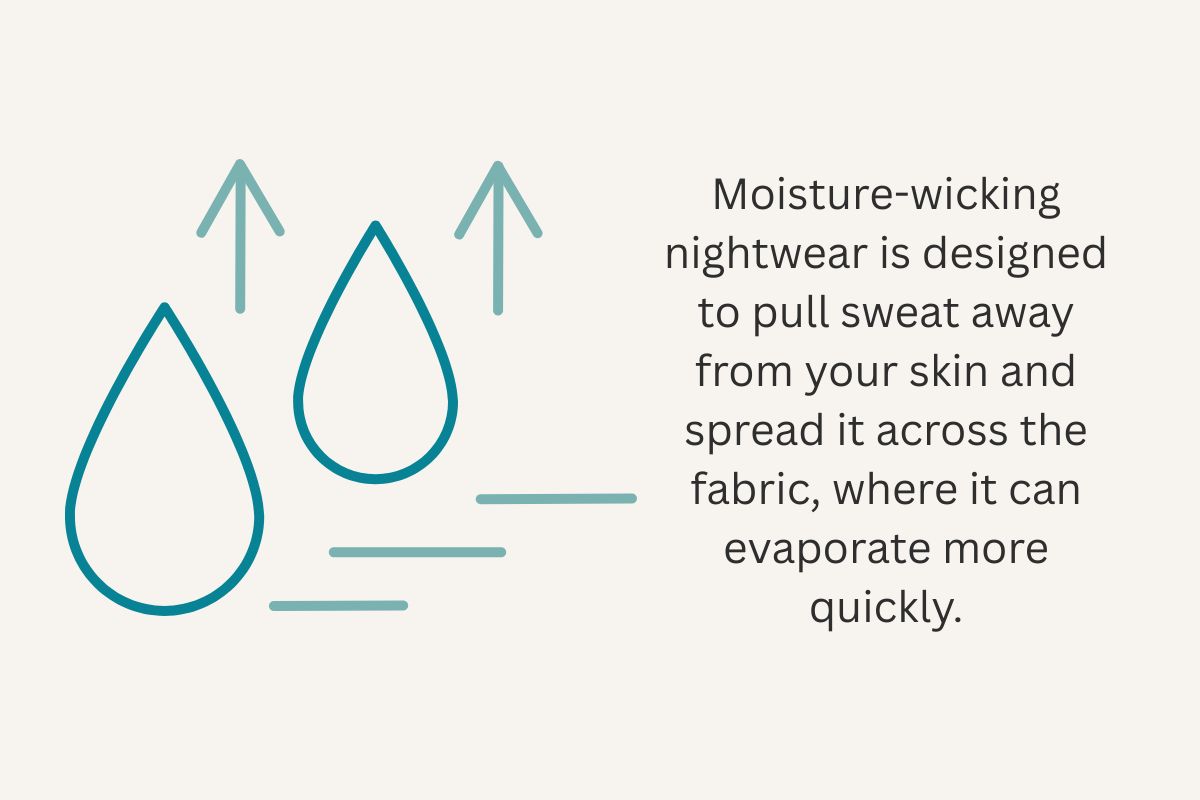
- Wear breathable, moisture-wicking nightwear.
- Prioritise good sleep habits.
- Take supplements for menopause
- Talk to family, friends or your GP if symptoms become difficult to manage.
Everyone’s experience of menopause is different. Some women have only mild symptoms, while others find the transition more challenging. The important thing to remember is that you’re not alone, and support is available if you need it.
Frequently Asked Questions
What are the first signs of menopause?
The earliest signs often include changes to your periods, hot flushes, night sweats, disturbed sleep, mood changes and brain fog. These symptoms usually occur during perimenopause, before menopause itself.
What age does menopause usually start?
In the UK, the average age of menopause is 51, although symptoms of perimenopause can begin several years earlier.
How long does menopause last?
Menopause is a single point in time when you’ve gone 12 months without a period. The symptoms many people associate with menopause often occur during perimenopause and can continue for several years afterwards.
Pin Me!