When people talk about earning online, it often sounds as if you have to pick one thing and go all in. One platform, one method, one “big idea”.
That hasn’t been my experience.
Over time, I’ve tried and kept a few different income streams, but the constant thread through all of them has been my blog. The blog isn’t the loudest or fastest option, but it’s the one that gives everything else structure.
Why the blog is the base
A blog gives you something most platforms don’t: control.
It’s a place you own, where your content lives long-term, and where you can explain things properly without fitting into someone else’s format. That matters if you don’t want to be on camera, on calls, or constantly “performing”.
Because of that, I treat my blog as the foundation. Everything else I do links back to it in some way.
Income streams I run alongside my blog
1. Low-content publishing (KDP)
I create low-content products such as notebooks and planners and sell them through Amazon KDP. On their own, these products can be hit and miss, but they work better when connected to a blog.
A blog lets me:
- explain how the products are used
- write supporting content around niches or themes
- link to products naturally, without relying on ads
Instead of KDP being a standalone hustle, it becomes part of a wider system.
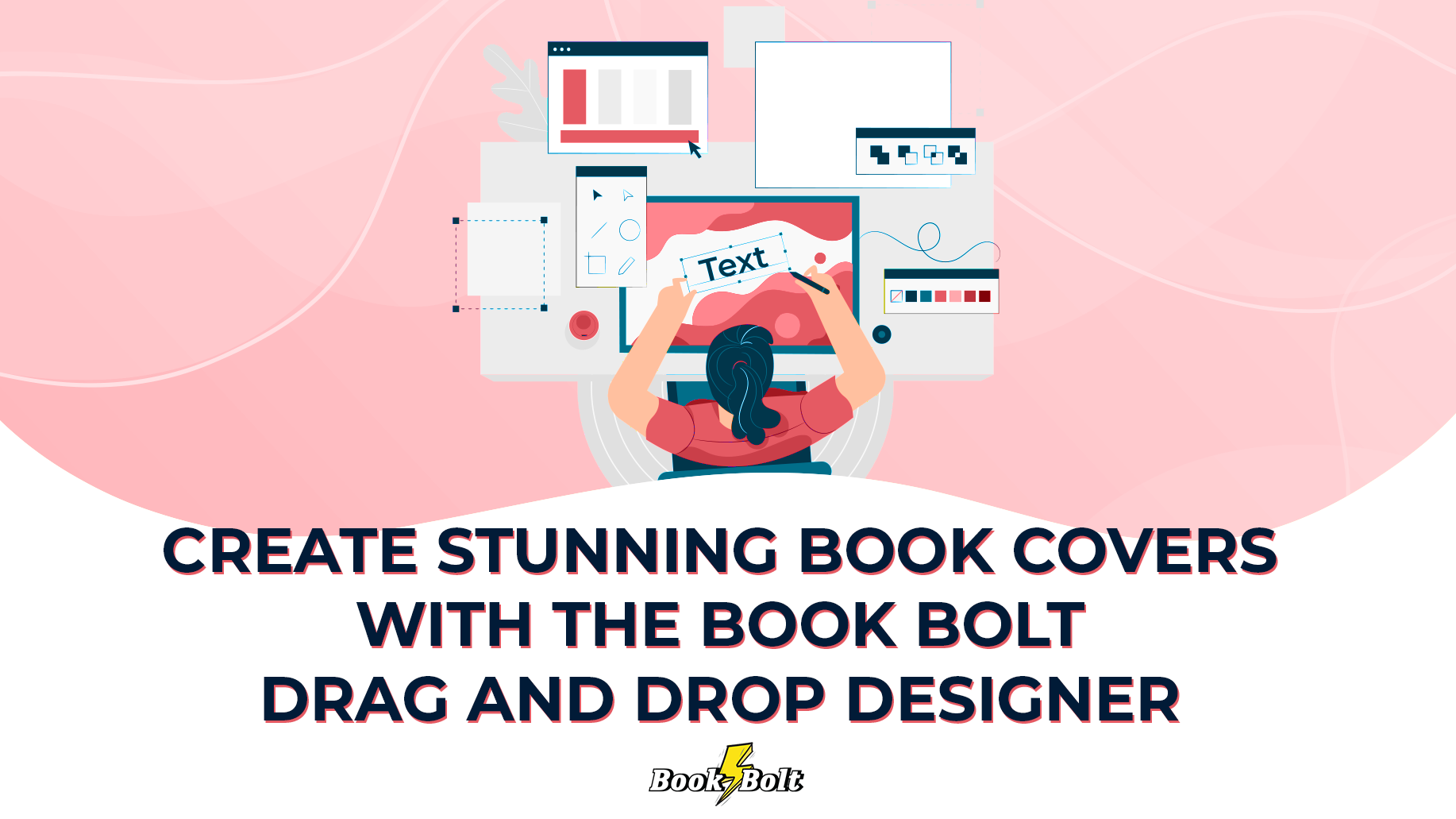
If you want to get started quickly with KDP, I recommend Book Bolt. Use my code suefoster to get 20% off!
2. Digital products and downloads
A blog is a natural place to sell simple digital products and printables. You can explain who they’re for, what problem they solve, and how to use them, all in your own words.
Even small products make more sense when:
- they’re linked from relevant posts
- they solve a specific problem readers already have
- they’re supported by written content rather than sales pages alone
This is one of the reasons I prioritise blogging over social media.
3. Affiliate links and tools I actually use
Rather than promoting lots of unrelated offers, I link to tools and services that fit naturally within blog content, such as hosting, platforms, or resources connected to what I’m already writing about.
The key difference is context.
A blog allows you to explain why something is useful, not just recommend it.
4. Other income ideas (kept in perspective)
Over the years, I’ve also looked at things like:
- surveys
- side income ideas
- local or flexible work
These can bring in small amounts, but they don’t replace the value of having a central platform. When they’re mentioned on the blog, it’s usually in comparison, as context, not as the main focus.
The blog helps keep everything realistic and grounded.
Why I don’t rely on one thing
Relying on a single income stream can be stressful, especially if it’s tied to one platform or one algorithm. A blog allows you to:
- spread income across different methods
- adjust over time
- keep content working in the background
It’s slower, but it’s steadier.
If you’re starting from scratch
You don’t need to do everything at once.
A blog can start as:
- a place to learn
- a place to write clearly
- a place to build something you own
Income streams can come later, and they don’t all have to be big. What matters is that they make sense together.
That’s why, for me, the blog always comes first.
Learn how to build a blog and monetise it steadily with my course, Build & Monetise Your WordPress Blog.