
Millions of households across Great Britain are set to see their energy costs rise from 1 January 2027 after Ofgem confirmed a substantial increase to the energy price cap.
The new price cap will increase from £1,723 to £2,166 per year for a typical household, representing a rise of almost 26%. It marks the first time the cap has exceeded £2,000 since 2023 and comes at a time when many families are already dealing with higher food, housing and transport costs.
What Is the Energy Price Cap?
Despite its name, the energy price cap does not limit the total amount you pay for energy. Instead, it limits the maximum rates suppliers can charge customers on standard variable tariffs.
The amount you actually pay will depend on how much gas and electricity you use.
Households on fixed-rate energy deals will generally not be affected by this increase until their current fixed term ends.
How Much Are Prices Increasing?
From January 2027, average direct debit rates will rise significantly:
- Electricity unit rates will increase from 26.32p per kWh to 32.69p per kWh.
- Gas unit rates will increase from 7.97p per kWh to 10.96p per kWh.
- Standing charges will remain broadly unchanged.
According to Martin Lewis, a household using Ofgem’s typical annual consumption could pay around £57 more per month during the January to March period.
Why Are Energy Bills Rising?
The increase is largely being driven by higher wholesale gas prices. Energy analysts point to recent geopolitical tensions and disruption in global energy markets as major factors behind the rise.
While the removal of VAT on electricity has provided some savings, these have been overshadowed by the sharp increase in wholesale energy costs.
Current forecasts suggest bills could remain elevated for much of 2027, even if prices ease slightly later in the year.
Practical Ways to Reduce Your Energy Bills
Although many households cannot avoid higher prices entirely, there are several ways to reduce overall energy use and help limit the impact on your household budget.
Consider Switching or Fixing Your Tariff
If you’re currently on a standard variable tariff, it may be worth comparing the latest fixed-rate deals available. Some fixed tariffs are currently cheaper than the rates expected under the new January price cap.
Use an Electric Heated Throw
If you’re spending time watching television, reading or working from home, an electric heated throw can be a cost-effective way to stay warm.

A heated throw typically uses far less energy than running central heating throughout an entire property, making it a popular option for those looking to reduce winter heating costs.
Lower Your Thermostat Slightly
Reducing your thermostat by just 1°C can help lower heating bills while still keeping your home comfortable.
Stop Heat Escaping
Simple measures can make a noticeable difference:
- Close curtains as soon as it gets dark.
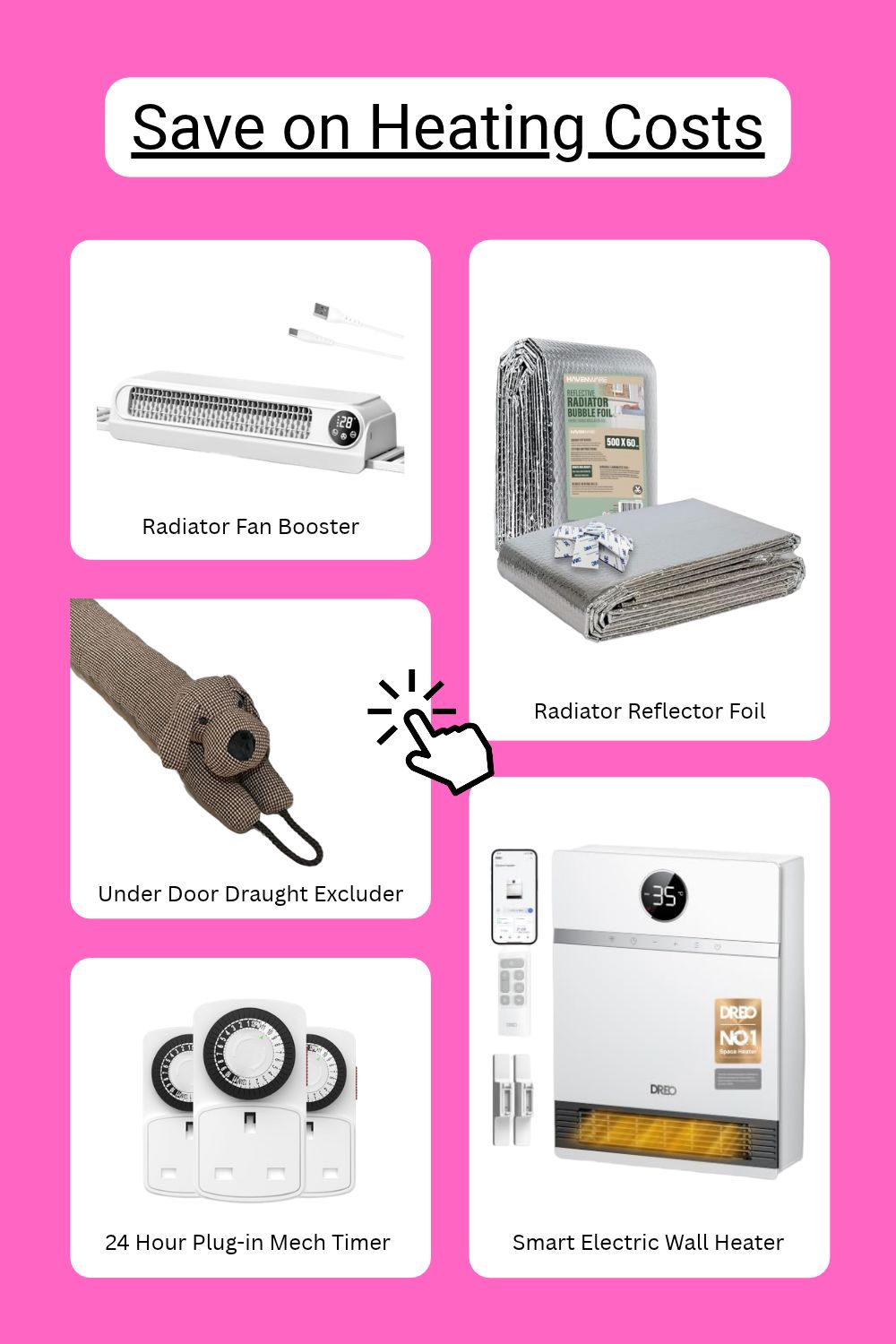
- Use draught excluders around doors.
- Keep internal doors closed where practical.
- Bleed radiators to help your heating system work more efficiently.
Cut Standby Power Use
Many appliances continue using electricity when left on standby. Turning devices off at the wall can help reduce unnecessary energy consumption.
Run Appliances Efficiently
- Wash clothes at lower temperatures.
- Use a fast spin before drying
- Wait until washing machines and dishwashers are full before running them.
- Use eco settings where available.
Monitor Your Usage
A smart meter or your supplier’s app can help identify where you’re using the most energy and make it easier to spot opportunities to save.
What Households Can Do Next
The latest energy price cap increase will be unwelcome news for many households already feeling the pressure of rising living costs.
While the price rise cannot be avoided for those on standard variable tariffs, reviewing your energy deal and making a few practical changes at home could help reduce the impact. With forecasts suggesting energy costs may remain relatively high throughout 2027, now may be a good time to take steps to improve efficiency and keep bills under control.