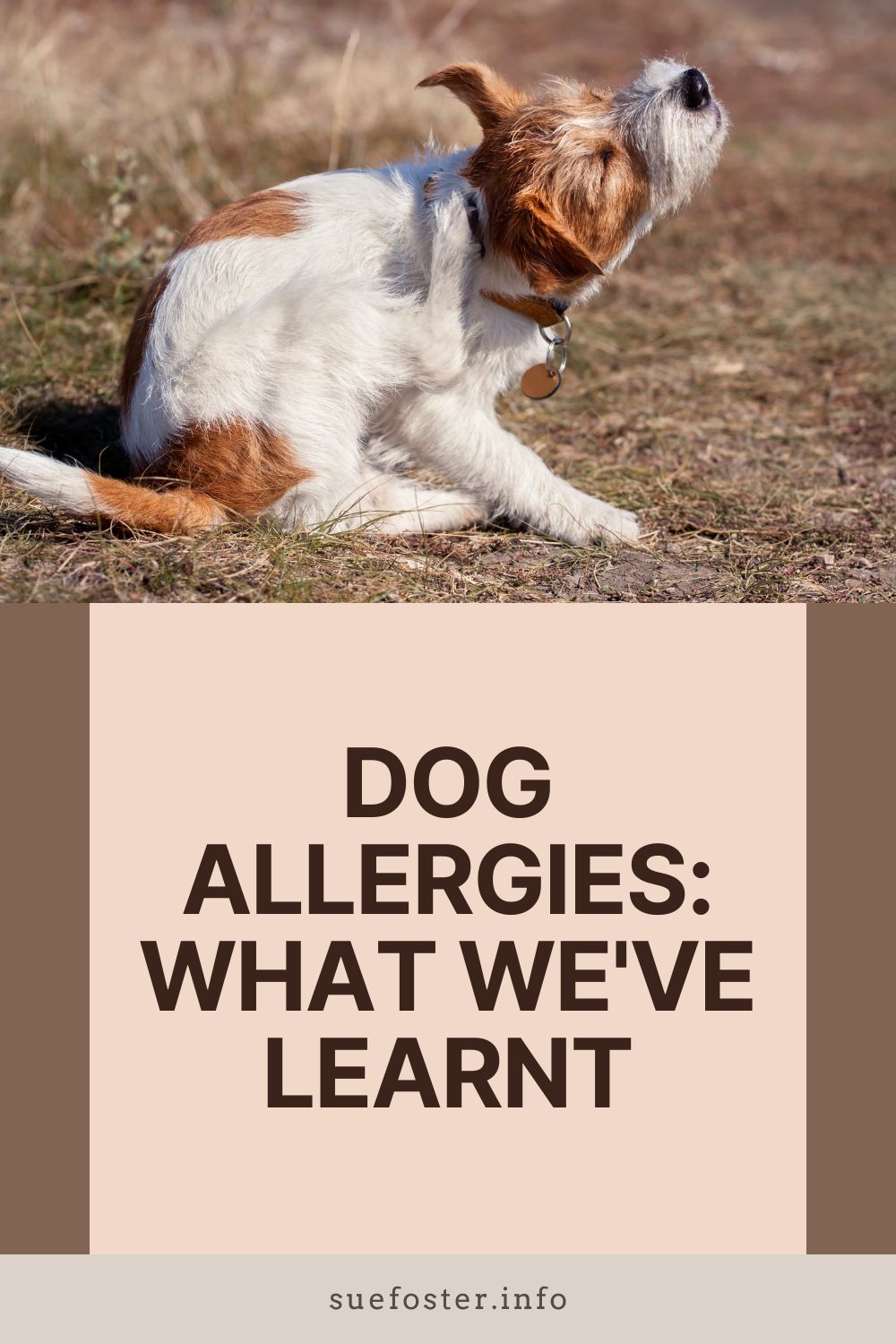
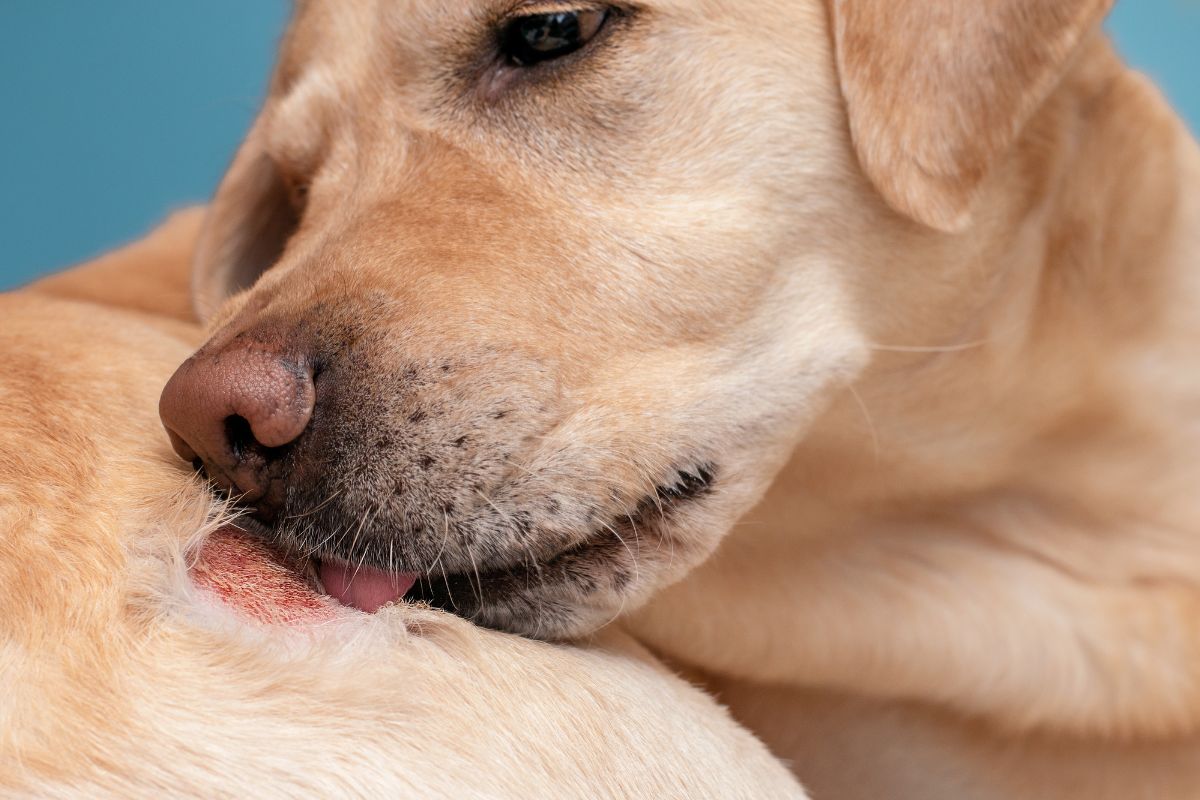
If you’ve never owned a dog with allergies, it can be difficult to appreciate just how much they can affect everyday life.
From constant itching and ear problems to finding suitable food and treats, allergies often require ongoing management rather than a quick fix.
Our dog has lived with allergies for many years, and although every dog is different, I thought I’d share some of the things we’ve learned along the way.
Recognising the Symptoms
Dog allergies don’t always look the same.
Some dogs develop itchy skin, while others constantly lick their paws or suffer from recurring ear problems.
For our dog, his ears are often one of the first places affected. During a flare-up, they become itchy and uncomfortable, so we keep a close eye on them and contact our vet if they don’t improve or if he seems particularly uncomfortable.
Getting a Diagnosis
Several years ago, our dog had allergy testing because his symptoms had become difficult to manage.
The results showed a long list of both food and environmental allergies.
Although having the test didn’t magically solve the problem, it gave us a much better understanding of what we were dealing with and helped us make more informed choices about his diet and lifestyle.
Finding Food He Can Actually Eat
One of the biggest challenges has been finding suitable food and treats.
Many of the most common ingredients found in dog food and treats simply aren’t suitable for him.
Chicken and beef are found in countless products, but unfortunately they’re among the ingredients he has to avoid.
As a result, we read ingredient labels very carefully before buying anything new.
Sometimes I’ve found it easier to prepare treats myself. One of his favourites is cooked pig liver because pork isn’t one of the foods he’s allergic to.
Every dog is different, so I would never recommend changing your dog’s diet without veterinary advice, but we’ve found that understanding his individual allergies has made a huge difference.
Treatments We’ve Tried
Managing allergies often involves trying different treatments to see what works best for your dog.
Over the years, our vet has prescribed several different options.
We tried Apoquel tablets, and initially they worked very well. Unfortunately, over time they became much less effective and no longer controlled his symptoms as well as they once had.
Our vet also tried Cytopoint injections on two separate occasions. They can work extremely well for some dogs, but sadly they didn’t have any noticeable effect for ours.
At the moment, our vet supplies us with prednisolone (Pred) tablets to use during allergy flare-ups. Following our vet’s instructions, we keep a supply at home so we can begin treatment quickly if his symptoms suddenly become much worse.
Working With Your Vet
One thing I’ve learnt is that allergies are rarely straightforward.
What works brilliantly for one dog may have little or no effect on another.
Finding the right combination of medication, diet and ongoing care often takes patience, and it’s important to work closely with your vet throughout the process.
Choosing Treats Carefully
When your dog has food allergies, buying treats becomes much more complicated.
Rather than picking up the first packet on the shelf, we have to check every ingredient carefully to make sure it doesn’t contain something that could trigger a reaction.
If your dog has allergies too, choosing treats with clearly labelled ingredients can make shopping much easier.
Living With Allergies
Although allergies can sometimes feel frustrating, we’ve learnt that they can usually be managed with the right veterinary support and by understanding our dog’s individual needs.
Keeping a close eye on changes in his skin, ears and behaviour means we can often spot a flare-up early and seek treatment before it becomes more serious.
He’s taught us to be observant, patient and prepared.
To Summarise
Every dog is different, and there isn’t a single solution that works for every allergy sufferer.
What I’ve shared here is simply our own experience after many years of caring for a dog with multiple allergies.
If your dog is showing signs of allergies, always speak to your own vet. With the right support, many dogs with allergies can continue to live happy, active and comfortable lives.
This article is based on my personal experience of caring for a dog with allergies and is intended for general information only. It should not replace advice from your veterinary surgeon.
Pin Me!