If you’re thinking about selling vintage collectibles online, one of the biggest decisions is where to list them. Two of the most popular marketplaces are Vinted and eBay, but they work very differently and each has its own advantages.
Having used both platforms over the years, I’ve found that the best choice depends on what you’re selling and how much control you want over your business.
Selling Fees
One of the biggest differences between the two platforms is the cost of selling.
Vinted doesn’t currently charge sellers standard selling fees in the UK. Instead, buyers pay a protection fee, allowing sellers to keep the full sale price (excluding any optional promoted listing costs).
eBay, on the other hand, has traditionally charged various fees depending on your account and the type of listing. Although fee structures change over time and promotions are often available, the costs can make a noticeable difference to your profit, especially when selling lower-value items.
If you’re selling inexpensive postcards, greetings cards or small collectibles, keeping more of the sale price can make a real difference.
Buyer Traffic
eBay has been around for decades and attracts millions of buyers searching for almost every type of collectible imaginable.
Whether you’re selling stamps, postcards, coins, toys or antique books, there’s a huge audience already searching.
Vinted’s audience is different. While clothing remains its main focus, more buyers are discovering its Home and Collectibles categories, making it an increasingly interesting option for vintage sellers.
Listing Items
Both platforms make listing relatively straightforward.
eBay provides more options for item specifics, detailed descriptions and category selection, which can help buyers find unusual or specialist items.
Vinted keeps the process much simpler. Listings can often be created in just a few minutes, making it ideal if you want to add items quickly.
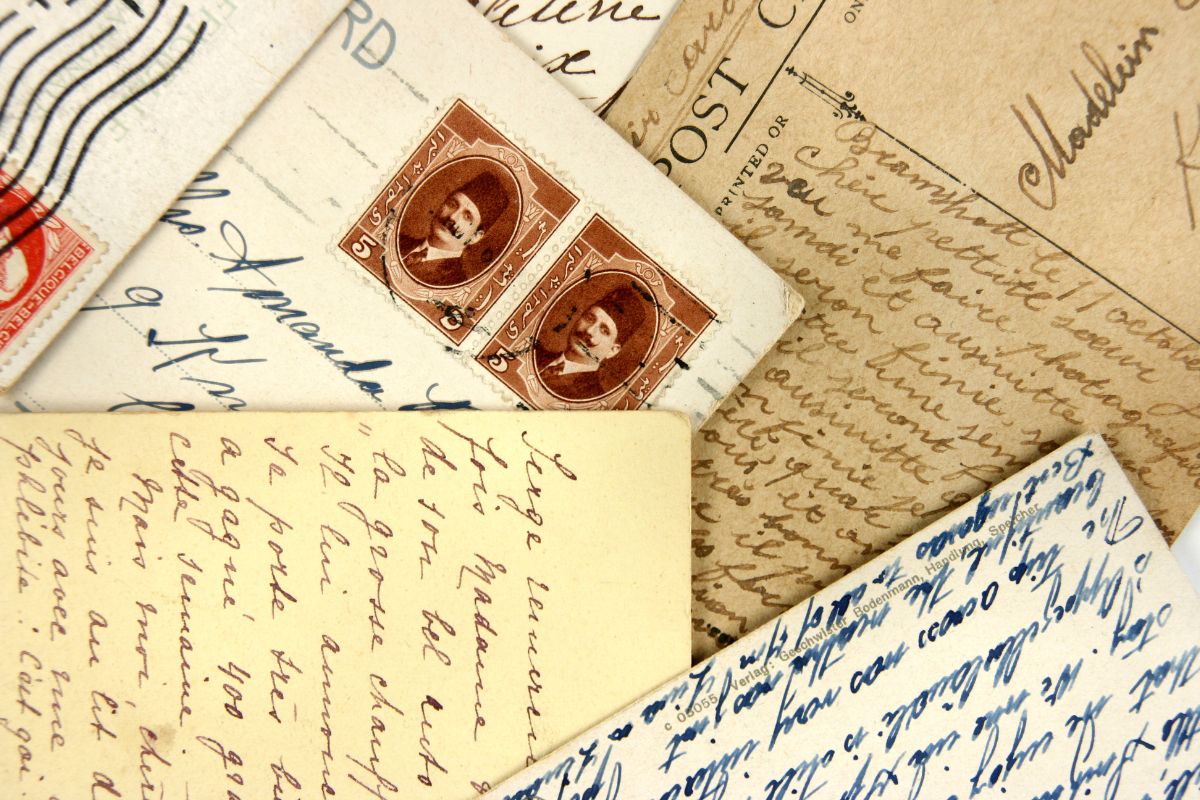
Selling Vintage Postcards
Vintage postcards can sell well on either platform.
On eBay, collectors often search using publisher names, postmarks, locations and specific themes.
On Vinted, many buyers browse visually, so clear scans and attractive images become even more important.
Whichever platform you choose, include:
- A clear scan or picture of both the front and back.
- Information about the publisher, if known.
- Any postmarks or handwritten messages.
- A description of the overall condition, including faults.
These details help buyers make informed decisions and reduce the likelihood of returns.
Packaging Matters
Small collectibles need careful packaging.
Rigid card-backed envelopes, protective sleeves and waterproof outer packaging can help ensure postcards and paper ephemera arrive safely.
A well-packaged order also encourages positive feedback and repeat customers.
Should You Use Both?
Many sellers choose not to rely on a single marketplace.
Using more than one platform spreads your risk and gives your items greater exposure. If sales slow down on one site, you may still be reaching buyers elsewhere.
Just remember to remove listings promptly if an item sells on another platform.
My Thoughts
There isn’t a single “best” marketplace for every seller.
If low selling costs and a simple listing process are your priorities, Vinted is certainly worth considering.
If you’re selling rarer or higher-value collectibles and want access to one of the largest collector audiences, eBay still has clear advantages.
Ultimately, the best platform is the one that helps you reach the right buyers while leaving enough profit to make selling worthwhile.
As with any online marketplace, it’s worth experimenting to see which works best for the types of items you sell.
Pin Me!