If you’re passionate about style and fashion, you might have always dreamt about running your own store. Perhaps this doesn’t have to remain a dream for much longer, though. Thanks to the internet, it’s now possible for just about anyone to start their own clothing store and operate it from their home if they want to. That’s not to say it’s easy, so we’re going to look at some of the tips that will help you get started if this is something you’re serious about.
Create a Strong Brand Identity
Before moving forward, it’s important to define your brand clearly. Your brand is more than just a name or logo; it’s the overall identity of your clothing store and the impression it leaves with customers.
Start by deciding what your store represents. Think about the style of clothing you want to sell, the type of customers you want to attract, and the overall look and feel of your website. Your brand name, logo, colours, and tone should all work together so your store feels consistent and recognisable.
When someone sees your logo, visits your website, or comes across your products on social media, they should quickly understand what your brand is about. Taking the time to establish this early on will make it much easier to build trust and stand out as your clothing store grows
Design a Simple and Easy to Use Website
The website where you host your clothing store is going to be very important. This is the interface that people will use and interact with when they visit your store, and you want it to be as strong as possible. People will turn away and shop elsewhere if they become frustrated by the way your website is structured.
An e-commerce store can be set up very cheaply by using WordPress, installing the free Woocommerce plugin and uploading a good looking theme. You will need a hosting provider for this.
Another option is to use an e-commerce platform. The monthly payments will be more for this option, but it’s easier to set up, as nearly everything is done for you.
Make Sure What You’re Selling is of a High-Quality
The quality of your product will always play a major role in your success. If customers believe it’s poorly made, they won’t buy; it really is that simple. Make sure what you’re selling is reliable, practical, and built to last, so people feel they’re getting real value from it.
Work Hard to Find the Right Suppliers
Finding reliable clothing suppliers isn’t always easy; some promise more than they deliver. Focus on working with wholesalers and manufacturers who value quality, consistency, and good communication. Building long-term relationships with trusted partners will save you stress and help your fashion store grow steadily.
In the UK, some trusted options include J5 Fashion in Manchester, known for trend-led styles and fast fashion; Alanic Clothing in London, offering custom and sustainable manufacturing; Made Fashion, which specialises in Italian-inspired women’s clothing; and Top Wholesalers, supplying ex-chain-store stock at competitive prices.
Working with dependable suppliers like these helps ensure your products are well-made, consistent in quality, and delivered on time, building the foundation for a brand customers can trust.
Pricing Your Clothing for Profit
One of the biggest mistakes new clothing store owners make is underpricing their products. It’s tempting to keep prices low to attract customers, but if your margins are too small, it becomes difficult to run a sustainable business.
When setting your prices, consider:
- The cost of the item from your supplier
- Shipping and packaging costs
- Platform or payment processing fees
- Marketing costs such as ads
- Your profit margin
A simple rule many retailers use is keystone pricing, which means doubling the wholesale price. For example, if you buy an item for £10, you might sell it for £20 or more depending on your brand positioning.
Research similar stores in your niche so you understand what customers expect to pay.
Take Clear and Honest Product Photos
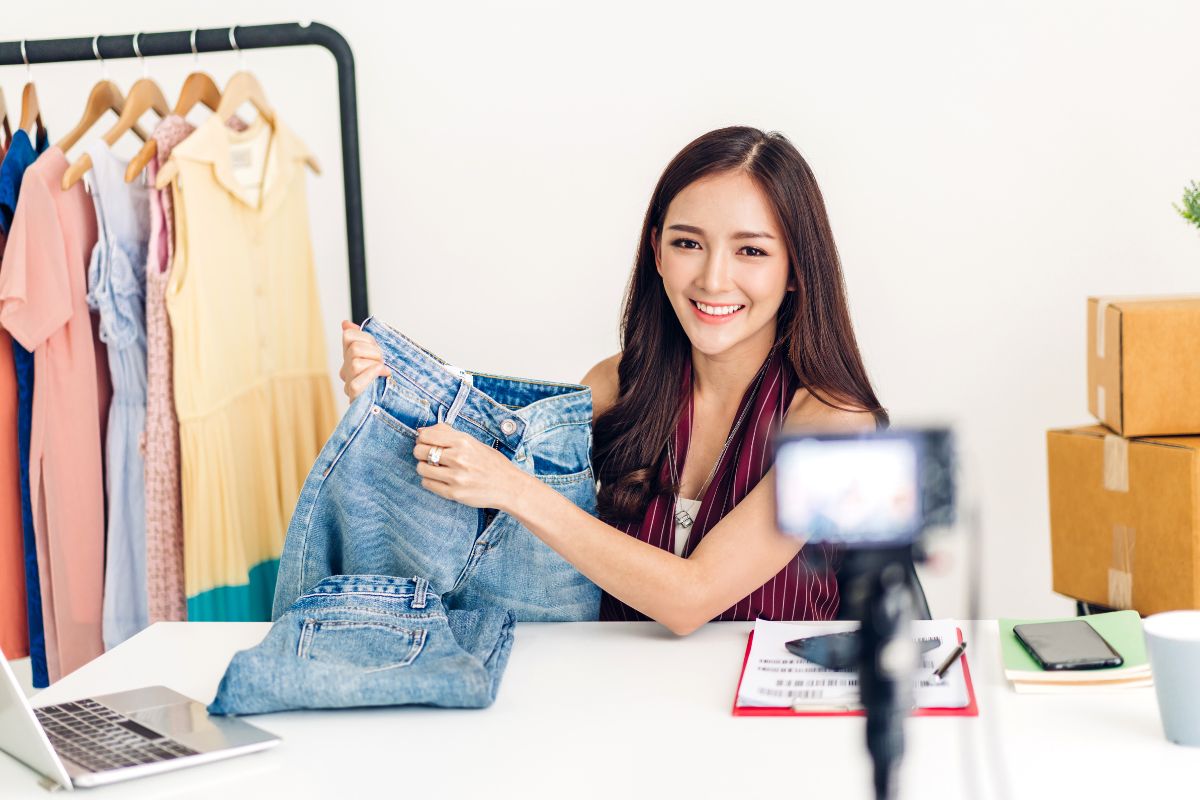
Online shoppers rely heavily on photos when deciding whether to buy something. Poor lighting or blurry images can make even a good product look cheap.
You don’t need an expensive studio setup to get started. Many small clothing businesses use:
- Natural daylight near a window
- A plain background
- A mannequin or model
- A smartphone with a good camera
Include multiple photos showing the item from different angles, and add close-ups of details like fabric texture, stitching, or buttons.
Clear and honest images help build trust with customers and reduce the chance of returns.
Write Simple Product Descriptions
A good product description helps customers understand exactly what they’re buying. Keep your writing clear and straightforward.
Useful details to include:
- Fabric or material
- Sizing information
- Care instructions
- Fit (for example relaxed, slim, oversized)
- Any unique features
Avoid exaggeration and focus on helping the customer make a confident decision.
Think About Shipping and Returns
Before launching your store, it’s important to plan how you’ll handle shipping and returns.
Customers expect delivery to be simple and reliable. Decide whether you will:
- Charge a flat delivery fee
- Offer free shipping over a certain amount
- Ship only within the UK or internationally
You should also create a clear returns policy. This protects both you and your customers and shows that your business is trustworthy.
Work on SEO and Promote Your Store Online
You want people to find your online store because they can’t buy from you until they do. No matter how good your products are, your shop won’t generate sales if potential customers don’t know it exists. That’s why it’s important to focus on increasing your website traffic.
One of the most effective ways to do this is through search engine optimisation (SEO). SEO involves improving your website so that it appears higher in search results when people look for products similar to yours. This can include using relevant keywords in your product titles and descriptions, writing helpful blog content related to your niche, and making sure your website loads quickly and works well on mobile devices.
You should also promote your store in other ways online. Social media platforms such as Instagram, Pinterest, and TikTok can be particularly useful for fashion brands because they allow you to share images, outfit ideas, and styling inspiration. Posting regularly and engaging with your audience can gradually help you build a following and bring more people to your website.
Online advertising platforms such as Google Ads or social media advertising can help you reach people who are actively searching for clothing or fashion items. Even a small budget can help you test what works and bring your first customers to your store.
Another useful channel for online stores is Google Shopping. This allows your products to appear directly in Google’s shopping results when people search for specific items. Customers can see images, prices, and the name of your store before they even click through to your website. If you’re running an e-commercee-commerce store using platforms like WooCommerce, Freewebstore, or other ecommerce systems, you can usually connect your products to Google Shopping through a product feed.
The key is to stay consistent. Building traffic takes time, but by continuing to improve your SEO and promoting your store regularly, more people will start to find your website and discover your brand.
Start Small and Learn as You Go
Many successful clothing brands started as small home businesses. You don’t need to launch with hundreds of products or a large inventory.
Start with a small collection, focus on quality, and listen to customer feedback. As your store grows, you can expand your range and improve your website, marketing, and branding.
Running an online clothing store takes effort, but with patience and consistency it can become a rewarding business.